- House #703, Kamran Block, Allama Iqbal Town Lahore
- sales@gve.com.pk


What is a Solar Mounting Structure?
A solar structure is the specialized framework used to secure solar panels to surfaces like rooftops, the ground, or even parking lots. Beyond just holding weight, these structures are designed to maintain a precise tilt angle and orientation—factors that can increase energy output by up to 25% compared to poorly positioned systems.
Types of Solar Mounting Systems
Depending on your property and energy goals, there are four primary types of structures used in 2026:
1. Rooftop Mounting (Residential & Commercial)
-
Flush Mounts: Best for pitched roofs; panels sit parallel to the roof surface.
-
Ballasted Mounts: Used for flat commercial roofs. These use heavy concrete blocks instead of drilling holes, maintaining the integrity of the building’s waterproofing.
2. Ground-Mounted Structures
Ideal for large properties or solar farms. These offer the flexibility to choose the perfect south-facing angle without being restricted by a building’s shape.
-
Fixed Tilt: The panels stay at one set angle year-round.
-
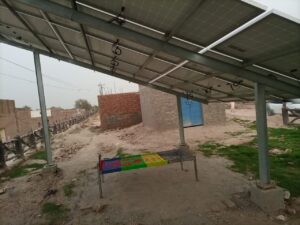
Pole Mounts: Elevates panels high off the ground, making them ideal for areas with heavy snow or agricultural land.
3. Solar Carports
One of the fastest-growing trends in urban areas. These structures turn parking lots into power plants, providing shade for vehicles while generating clean energy for the building.
4. Solar Trackers (Active Structures)
These high-tech structures move the panels throughout the day to follow the sun’s path. While more expensive, dual-axis trackers can boost energy production significantly in high-sunlight regions.
